Why Mihintale will steal your heart
Every nation has a place where its story changed forever. For Sri Lanka, that place is a peaceful, forested hill just outside Anuradhapura called Mihintale.
According to the island's ancient chronicles, in the 3rd century BC King Devanampiya Tissa was out hunting deer on this hill when he met Mahinda, a Buddhist monk who had travelled from India. Mahinda was the son of the great Indian emperor Ashoka. He tested the king with a famous riddle about mango trees, then preached to him, and the king and his followers embraced Buddhism. From this hilltop, the faith spread across the whole island and has shaped Sri Lankan life and culture ever since.
Today you reach the sacred area by a grand stone stairway of more than 1,800 steps, shaded by frangipani trees that scatter white blossoms on the steps. It's a gentle climb in stages, passing ancient monastery ruins, a refectory with a huge stone rice trough where monks once shared their meals, and the remains of a monastic hospital.
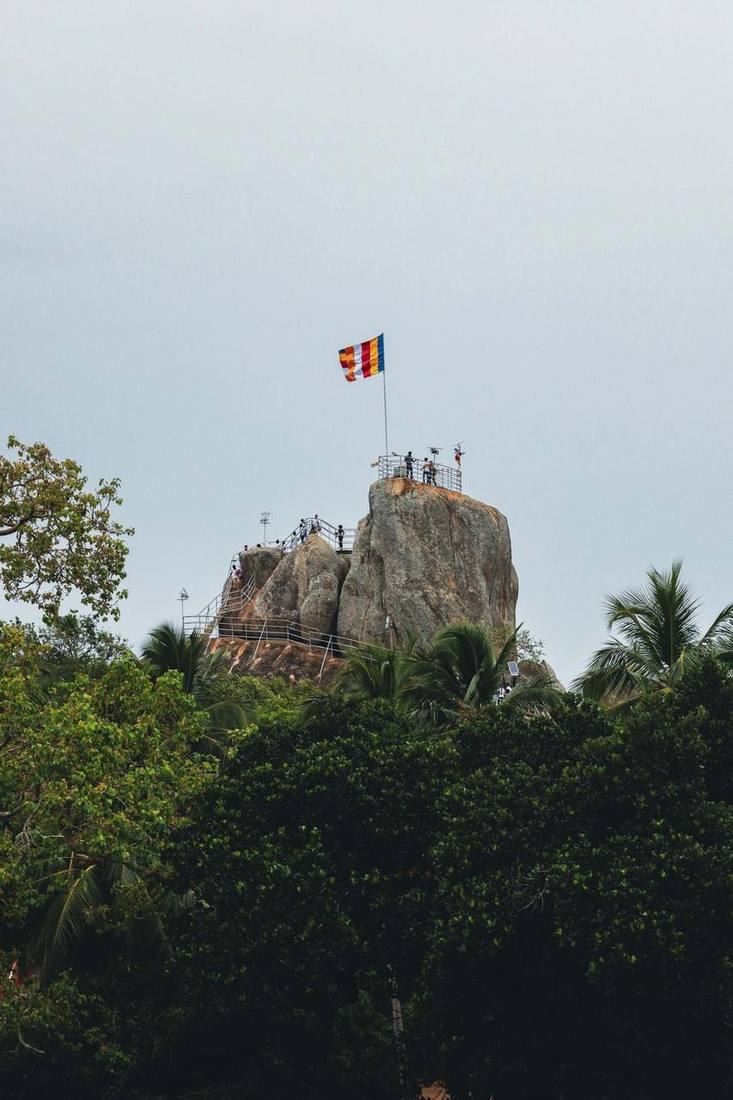
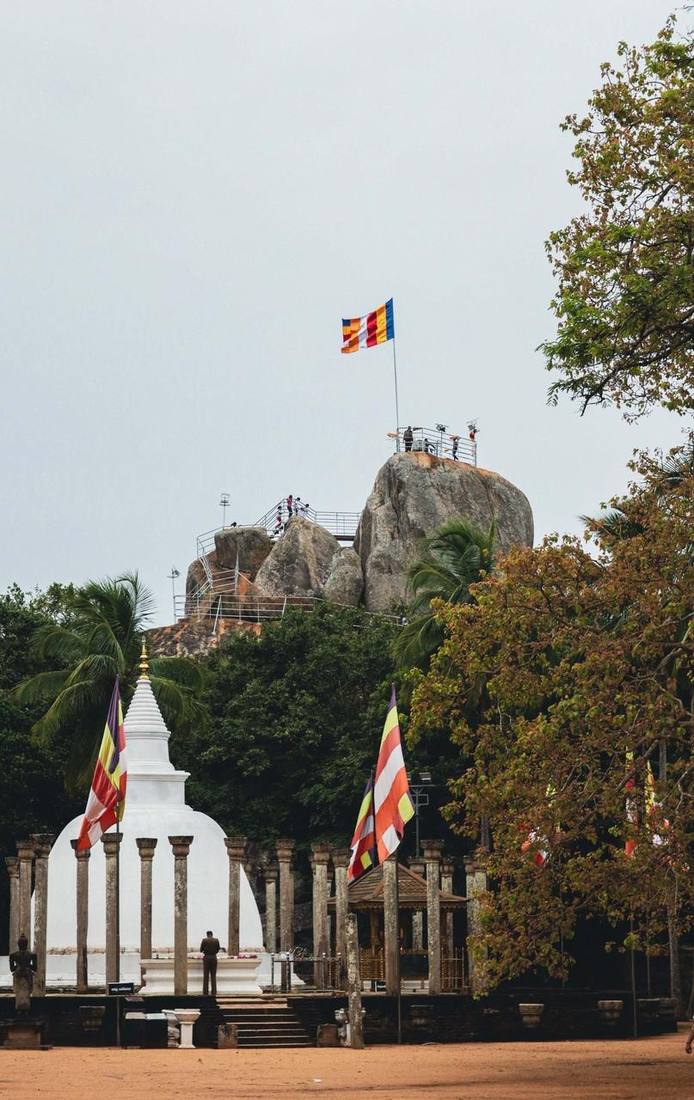
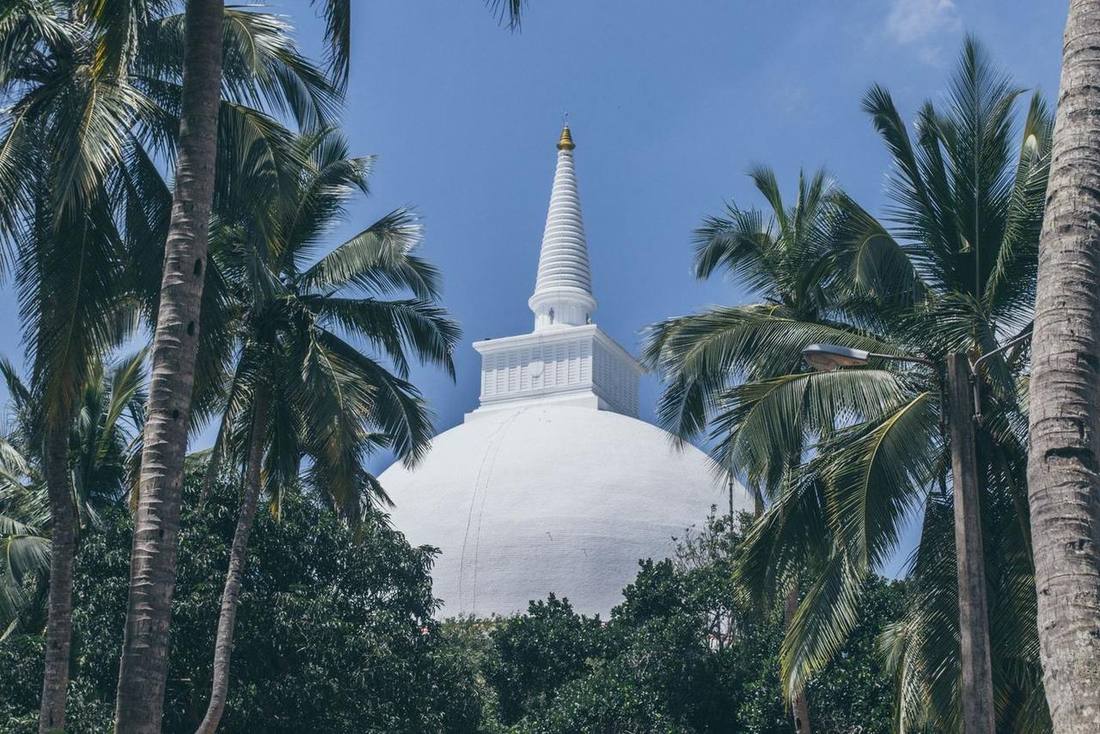
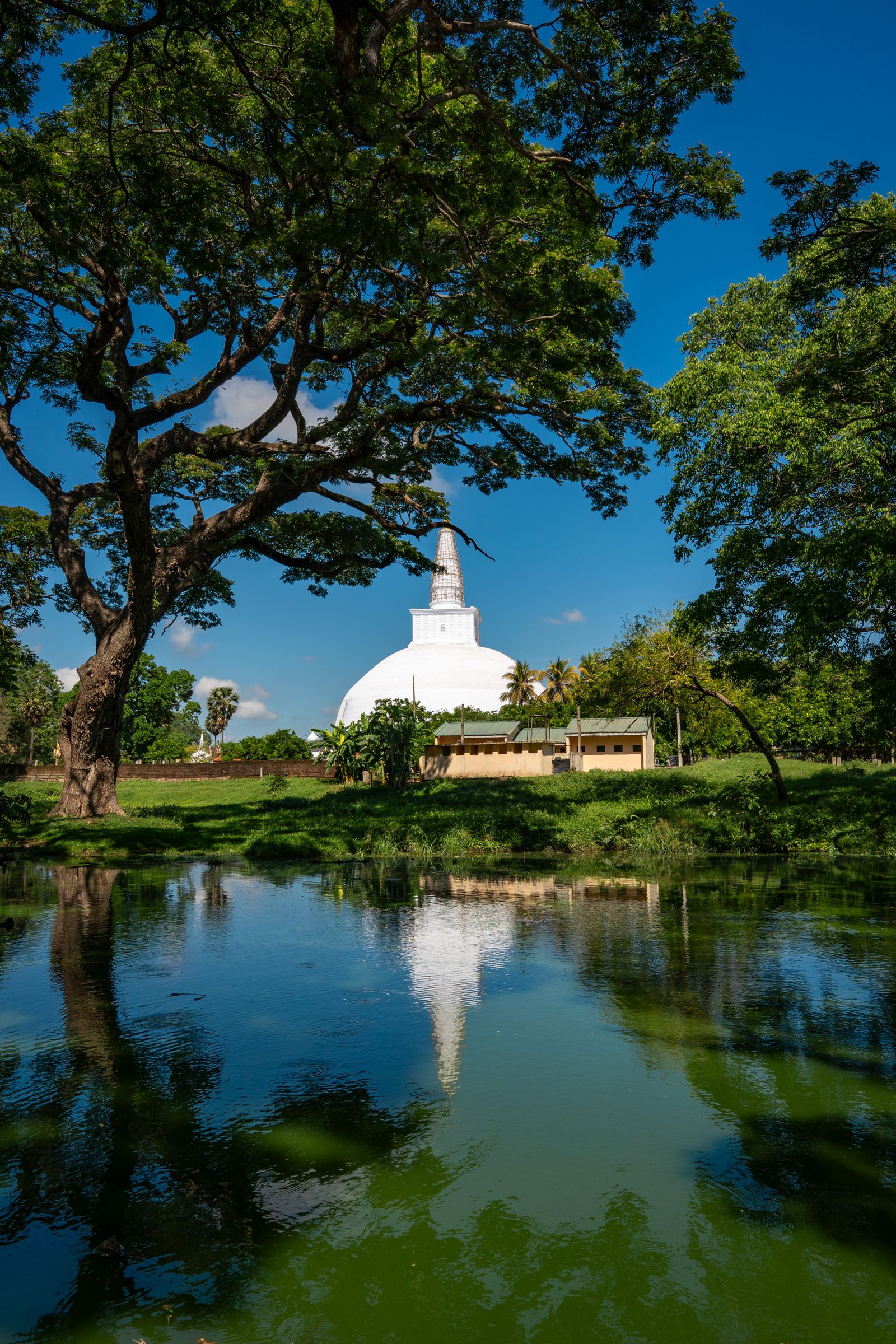
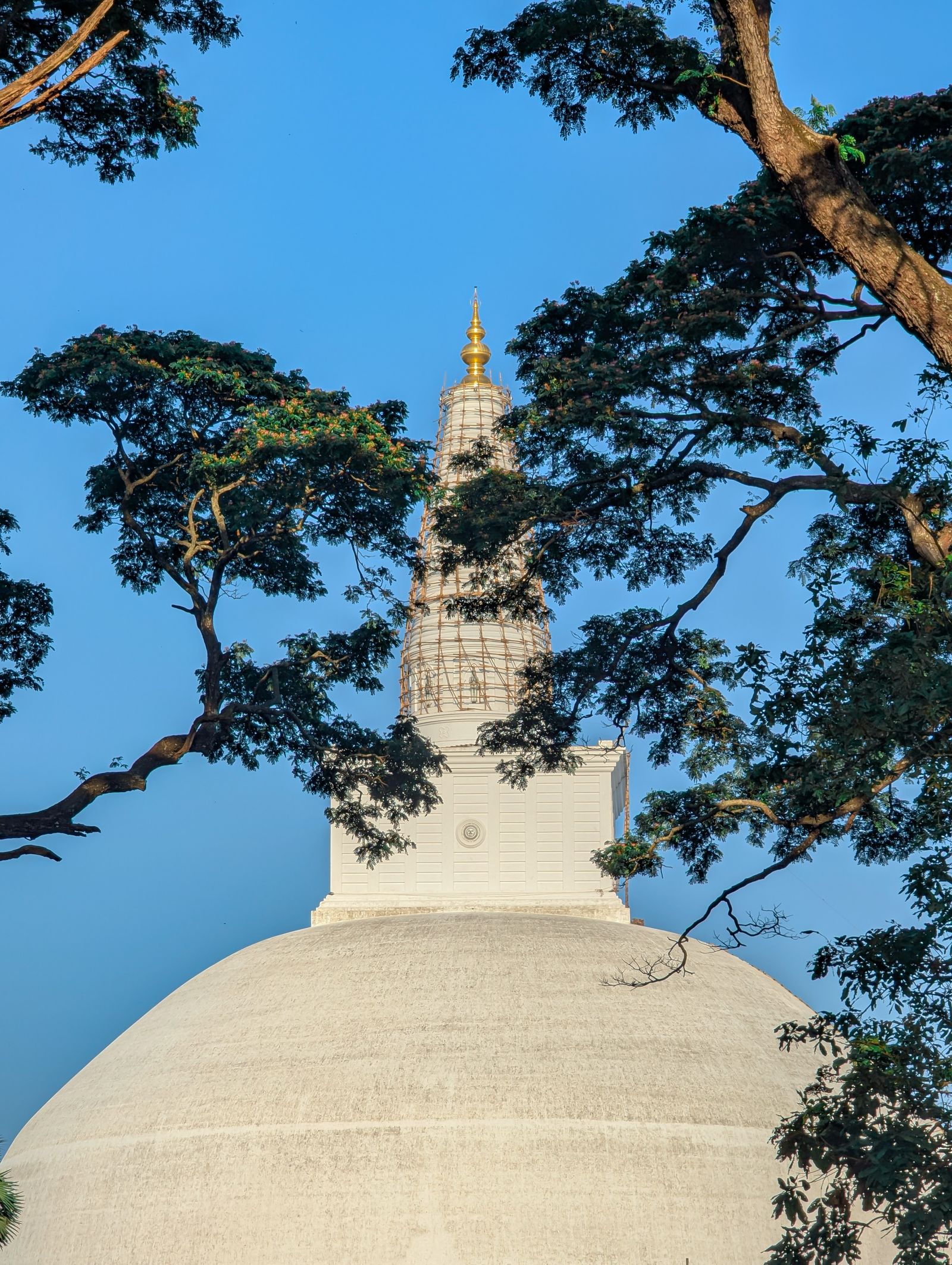
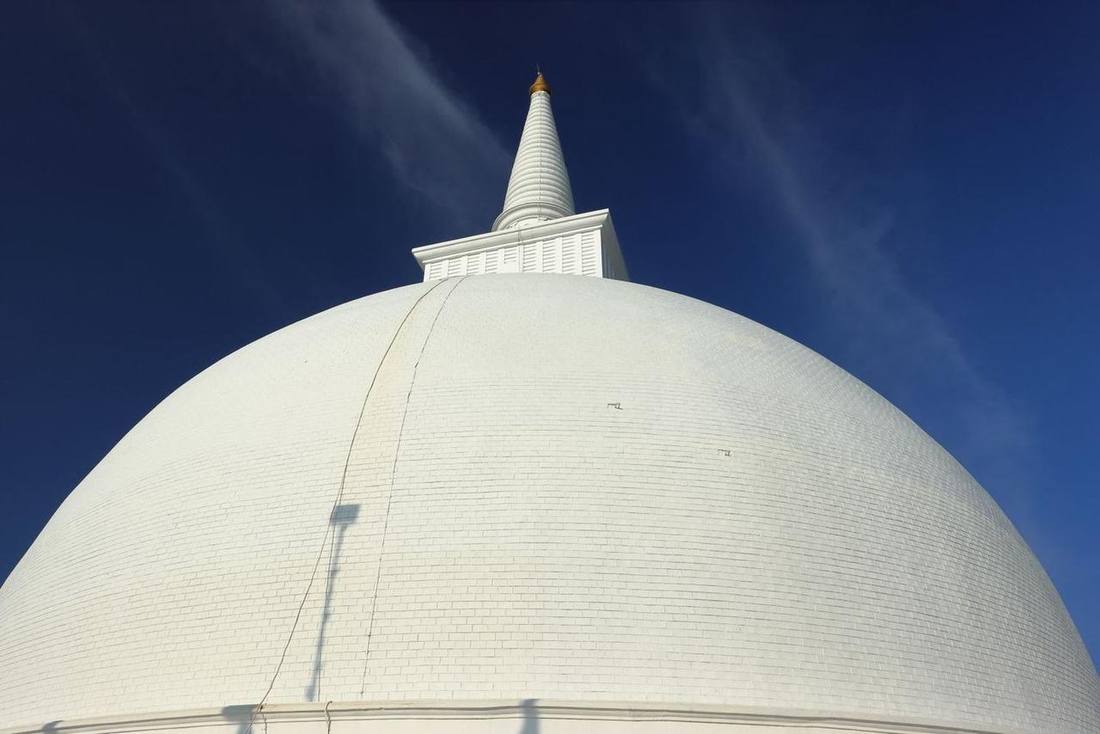
At the top, the Ambasthala Dagoba is said to mark the exact spot where Mahinda met the king, and a white statue of Mahinda looks out over the plains. Climb barefoot up the steep rock of Aradhana Gala, the 'Rock of Invitation', and you're rewarded with a breathtaking panorama: forests, lakes and the great dagobas of Anuradhapura rising on the horizon. Nearby, the large Mahaseya dagoba crowns the summit.
Mihintale is quieter and more intimate than Anuradhapura, and at sunrise or sunset it is wonderfully atmospheric. In June, on the full moon of Poson, thousands of pilgrims dressed in white climb the hill to celebrate the arrival of Buddhism. It's an extraordinary sight, and one that few foreign visitors ever see.