Why Dambulla Cave Temple will steal your heart
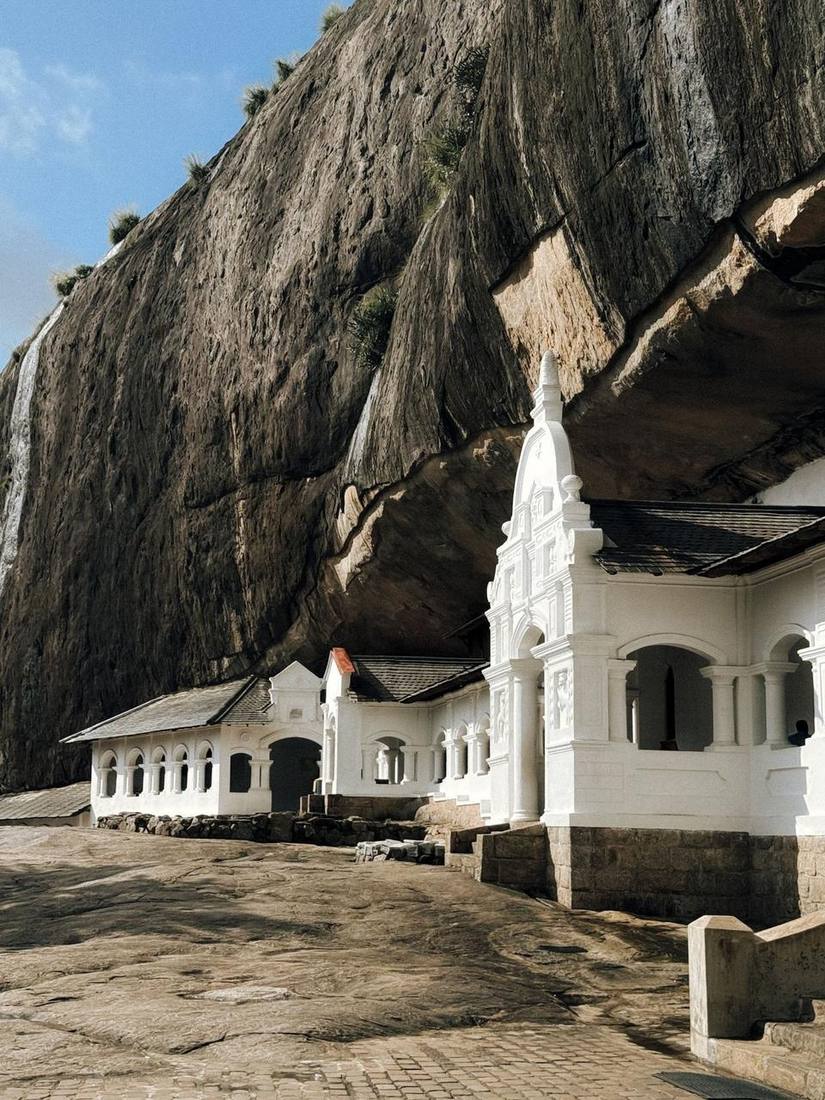
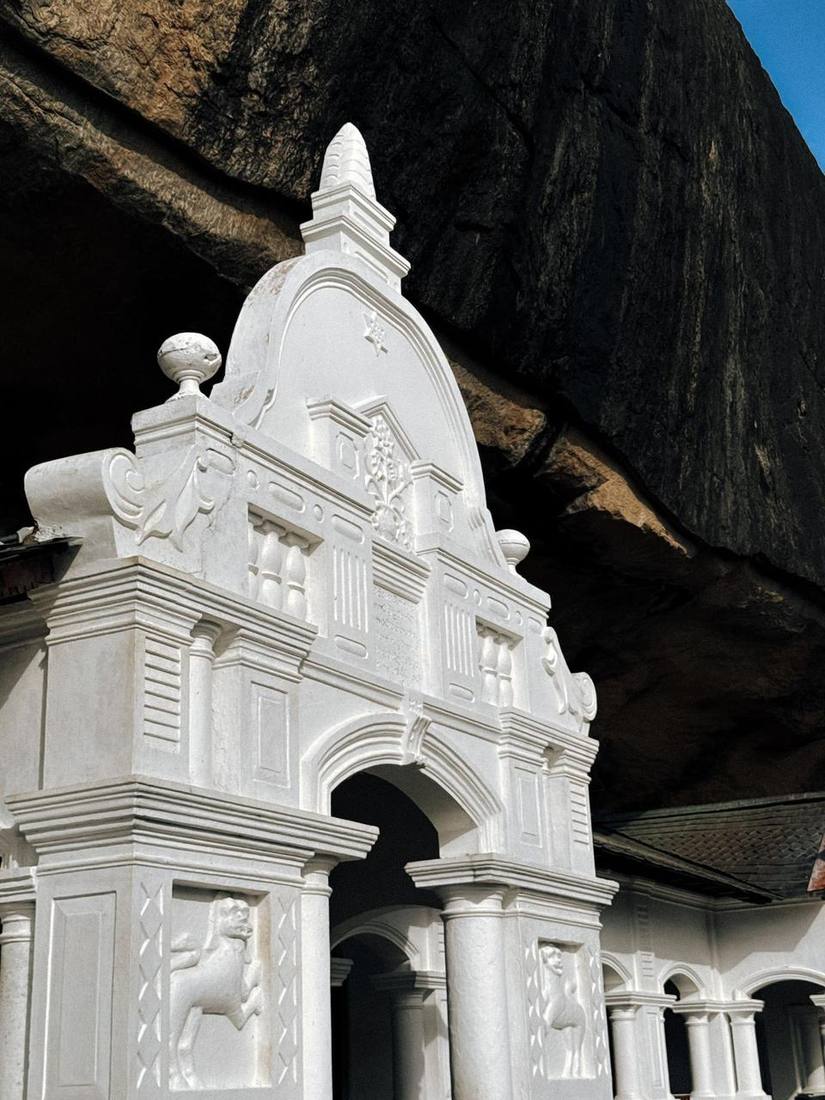
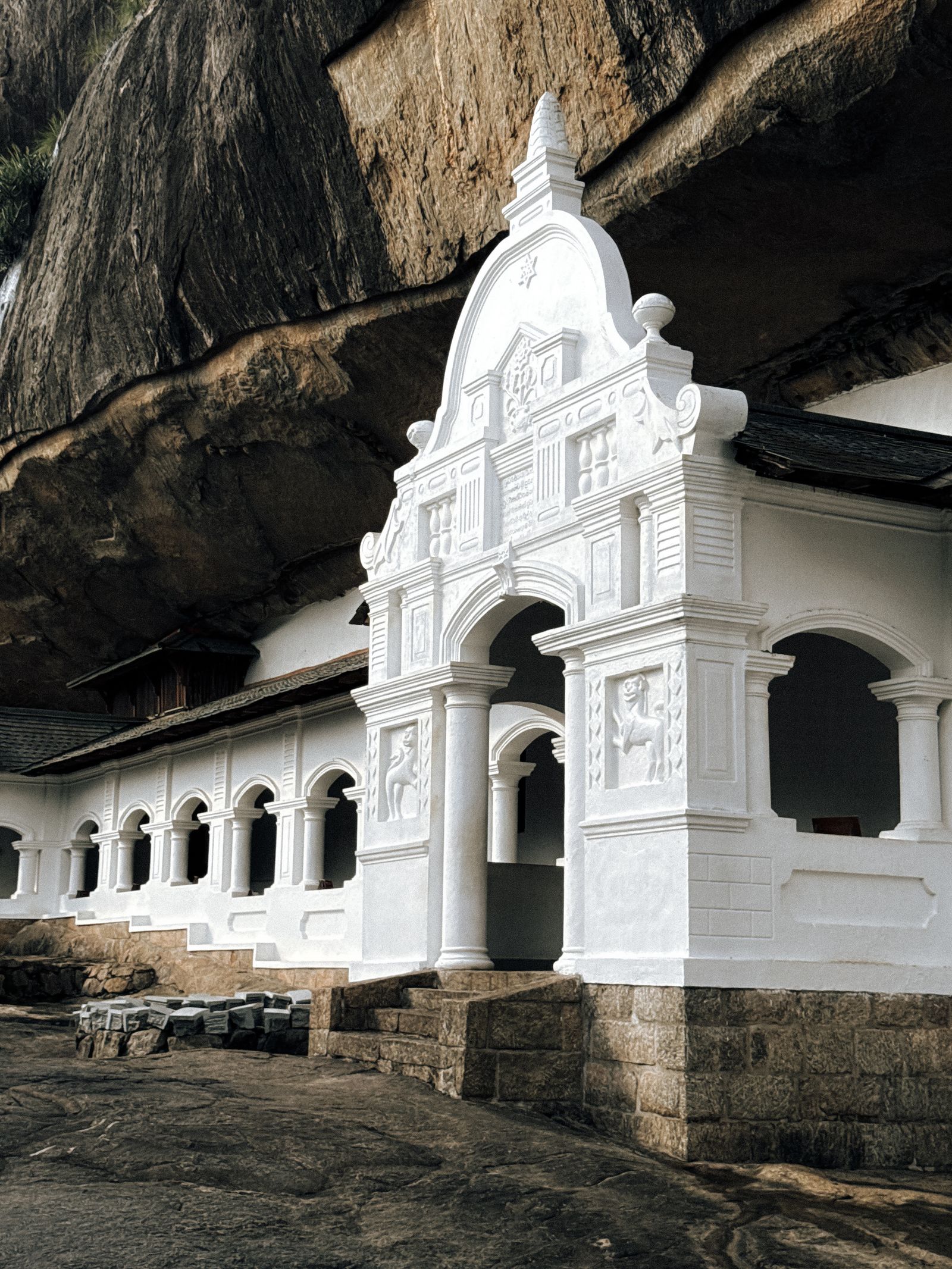
Halfway up a great granite hill near the town of Dambulla, a row of whitewashed arches is tucked beneath an enormous overhanging rock. From the outside, it looks modest. Step inside, and you'll catch your breath.
These caves have been places of worship for more than 2,000 years. According to tradition, King Valagamba took refuge here in the 1st century BC while he was in exile, and when he regained his throne, he turned the caves into a magnificent temple in gratitude. Later kings added to it over the centuries, and today Dambulla is the largest and best-preserved cave temple complex in Sri Lanka and a UNESCO World Heritage Site.
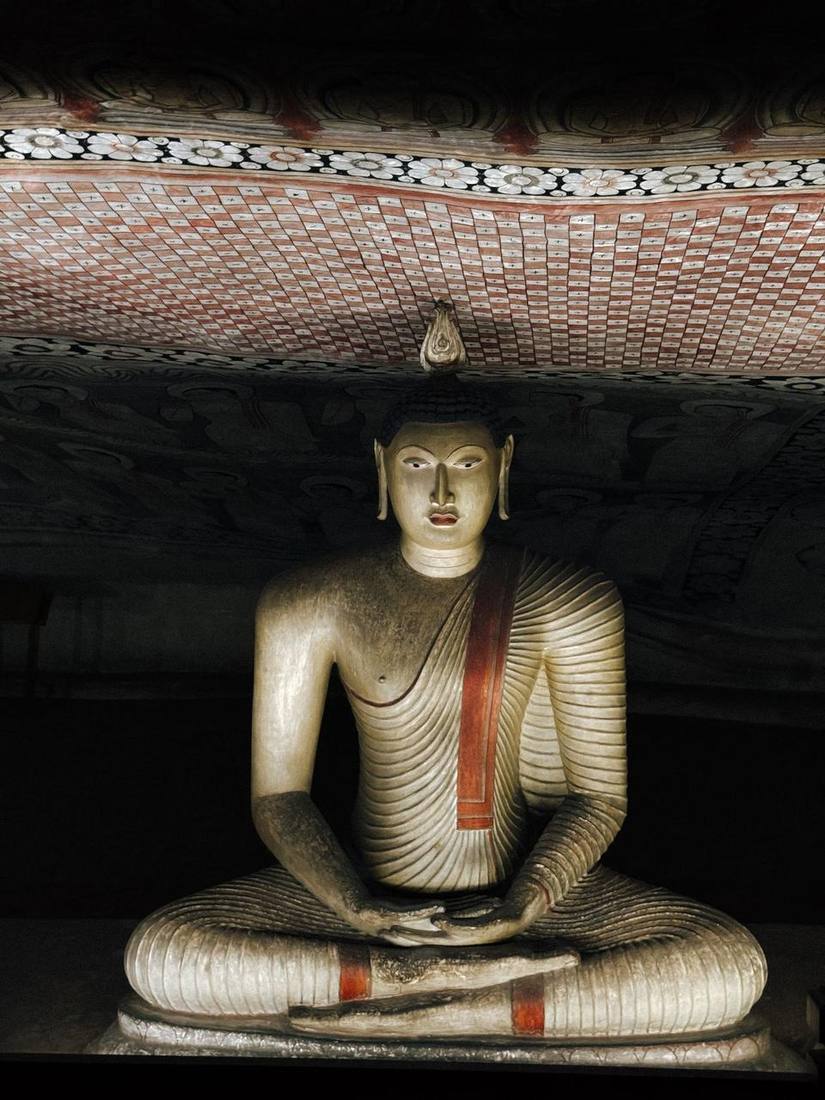
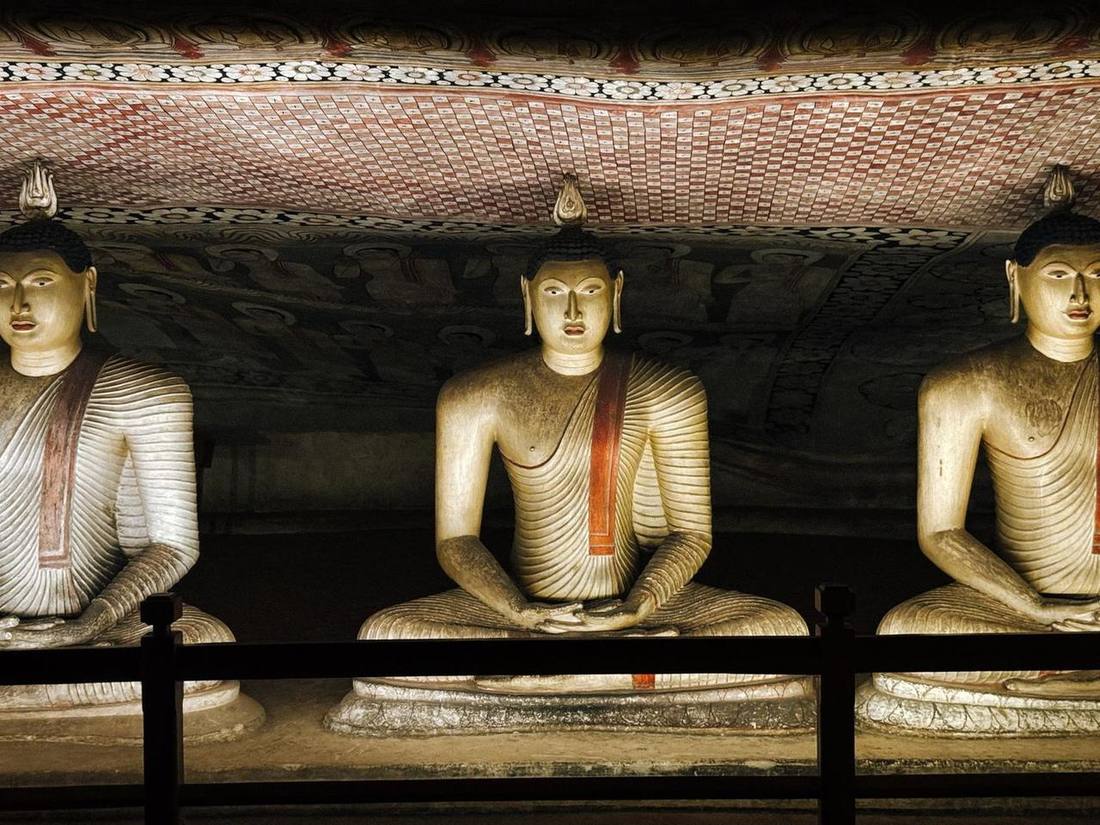
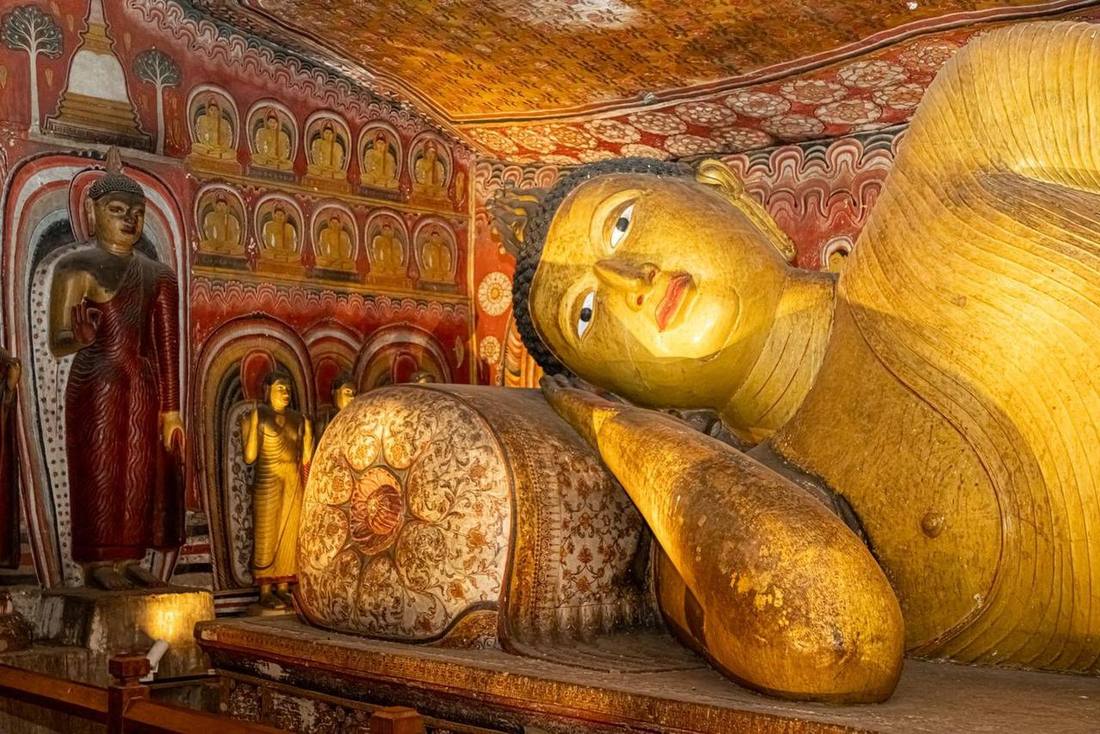
Inside the five caves are more than 150 statues of the Buddha: seated, standing and reclining, some carved straight from the living rock. The largest reclining Buddha is around 14 metres long. But look up. Every inch of the ceiling and walls is covered in vivid murals: thousands of tiny Buddhas, scenes from his life, and stories from Sri Lankan history, painted in warm reds, ochres and golds and following every curve of the rock. The effect is hypnotic, like standing inside a jewel box.
In the largest cave, look for the spot where water drips from a crack in the ceiling into a small pot. Local legend says it has never run dry, even in the fiercest drought, and the water is used in temple rituals.
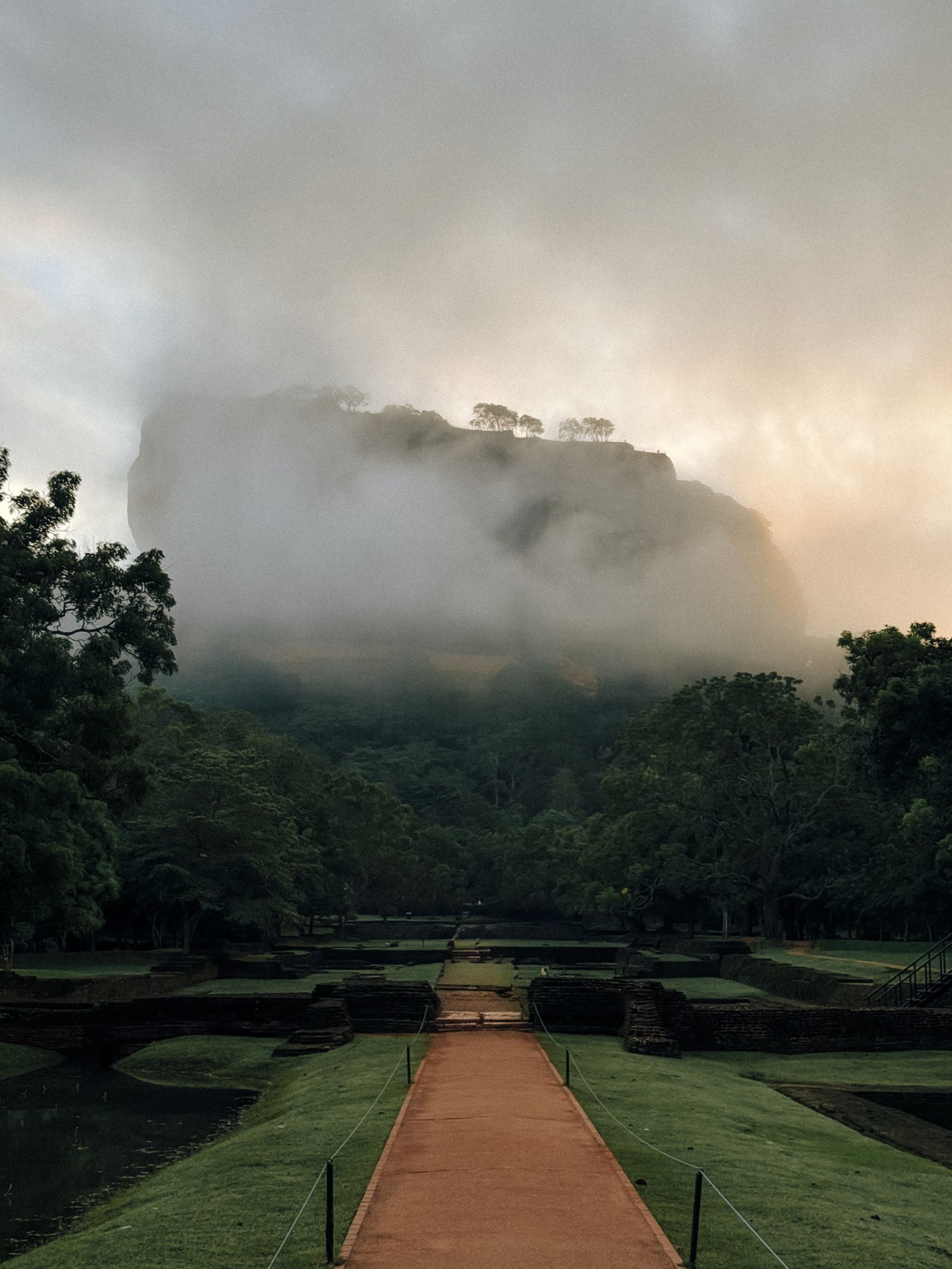
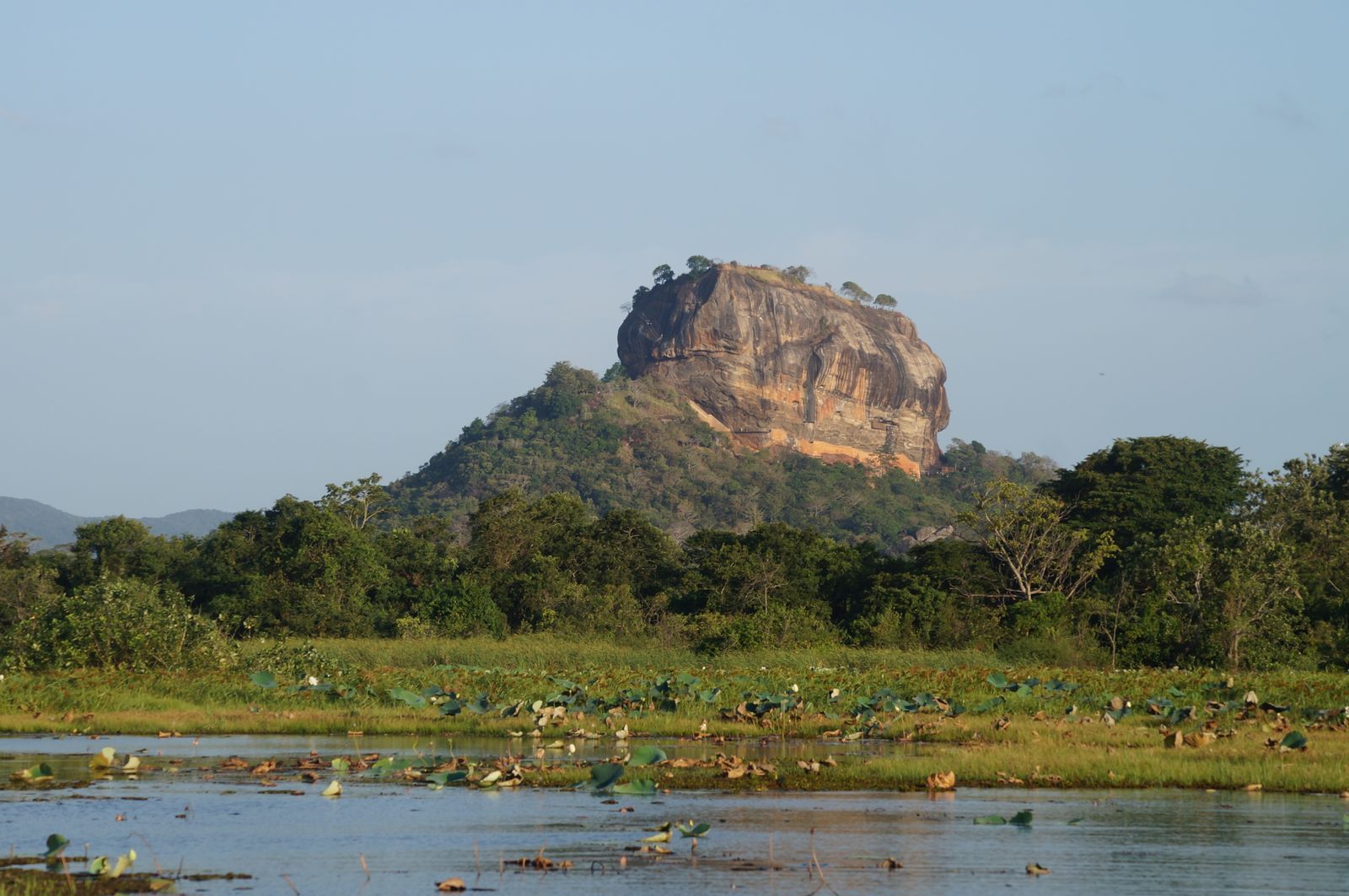
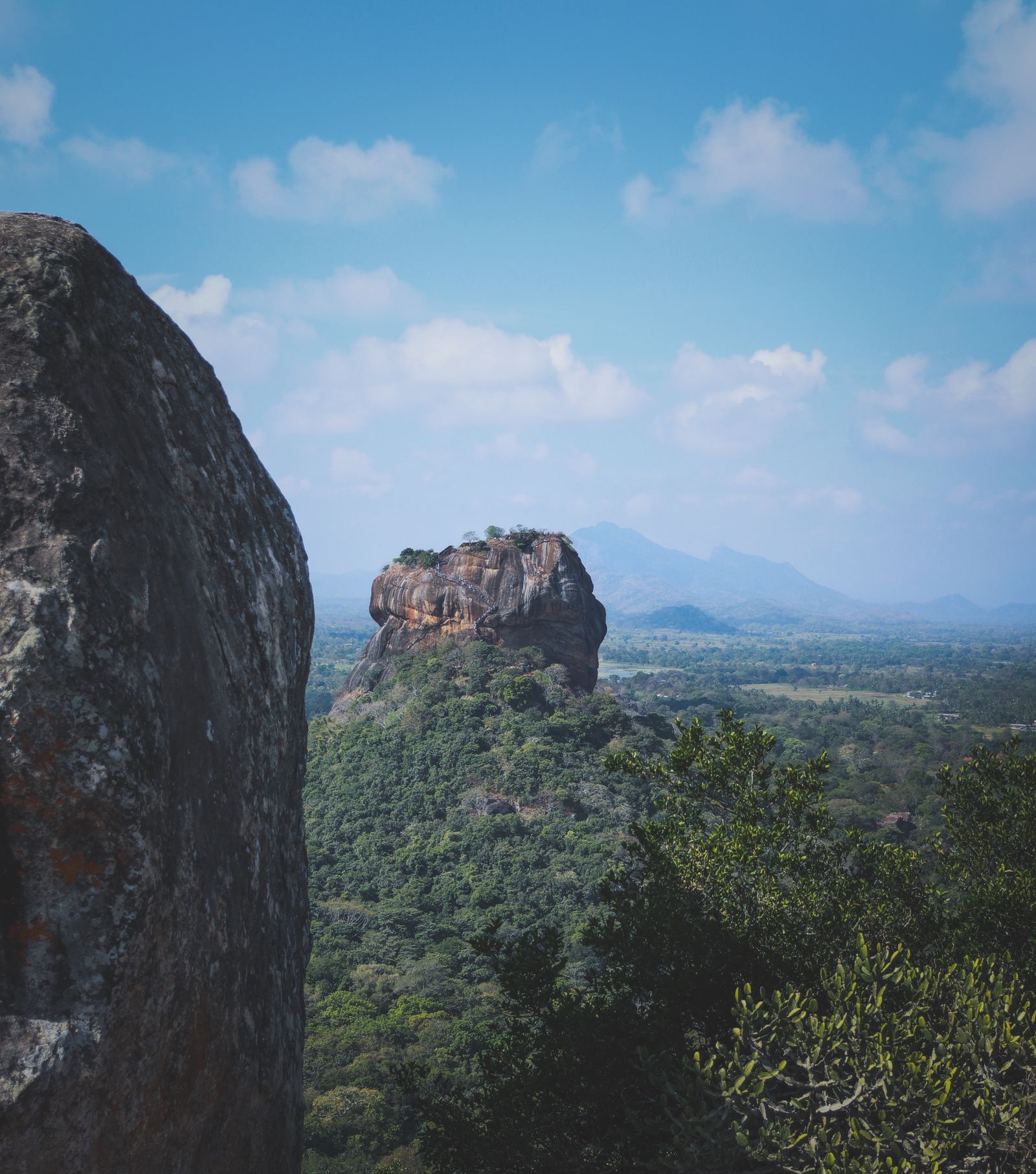
The climb up to the caves takes about 15 minutes, and the view from the terrace is superb, stretching across the plains to Sigiriya on the horizon. At the foot of the hill stands the modern Golden Temple, with its huge golden Buddha statue. Visit in the morning or late afternoon, when the light is softer and the caves are calm, and let the atmosphere work its magic.