Why Anuradhapura Sacred City will steal your heart
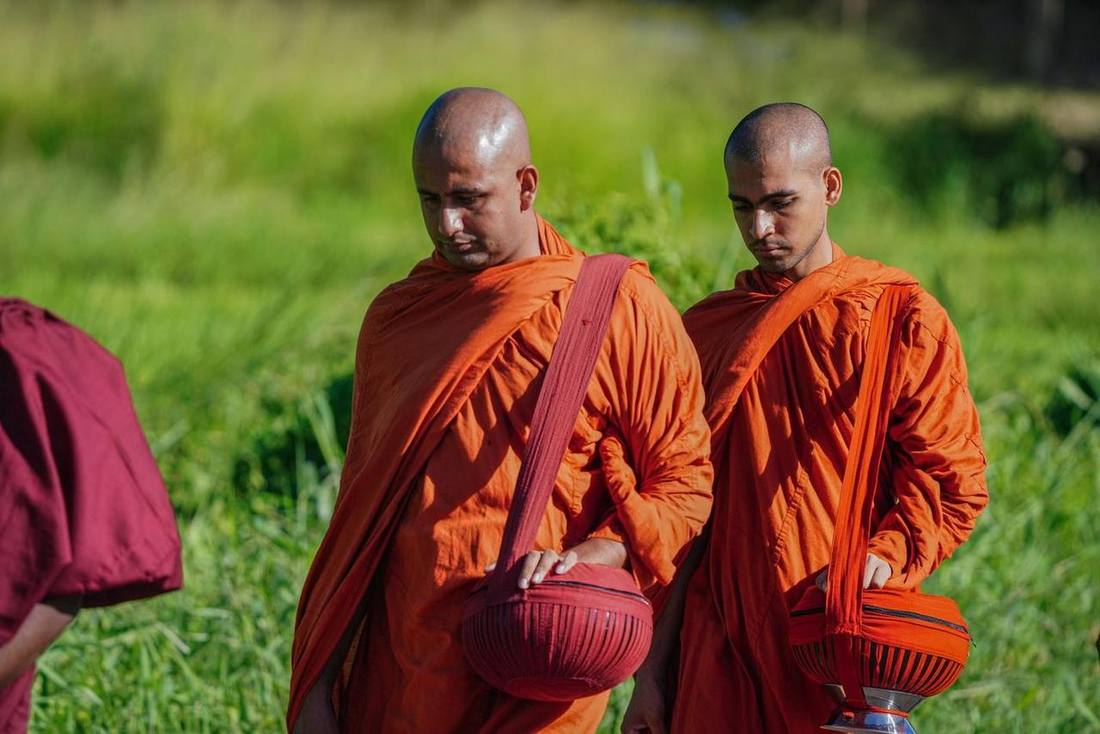
Anuradhapura is not just a set of ruins. It is a living, breathing sacred city, where the chanting of monks and the scent of lotus flowers fill the air as they have done for more than 2,000 years.
Founded as the capital of Sri Lanka's first great kingdom in the 4th century BC, Anuradhapura remained the island's royal seat for more than a thousand years. At its height, it was one of the great cities of Asia, with huge monasteries, palaces and advanced irrigation reservoirs that still hold water today. It's now a UNESCO World Heritage Site and one of the most sacred places in the Buddhist world.
At its heart grows the Sri Maha Bodhi, a sacred fig tree grown from a cutting of the very tree in Bodh Gaya, India, under which the Buddha attained enlightenment. It was planted in the 3rd century BC and is said to be the oldest recorded tree planted by humans. Wrapped in prayer flags and guarded by golden railings, it draws a constant stream of pilgrims dressed in white, who bring flowers, light oil lamps and sit quietly in prayer.
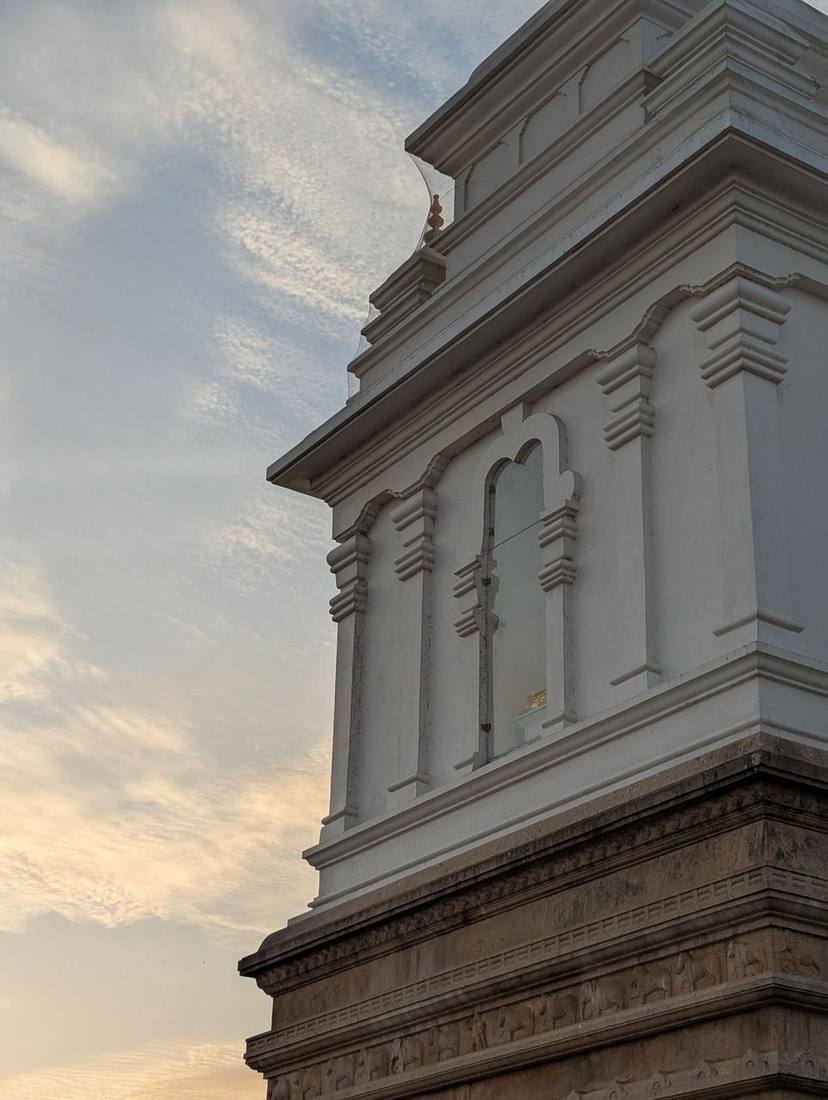
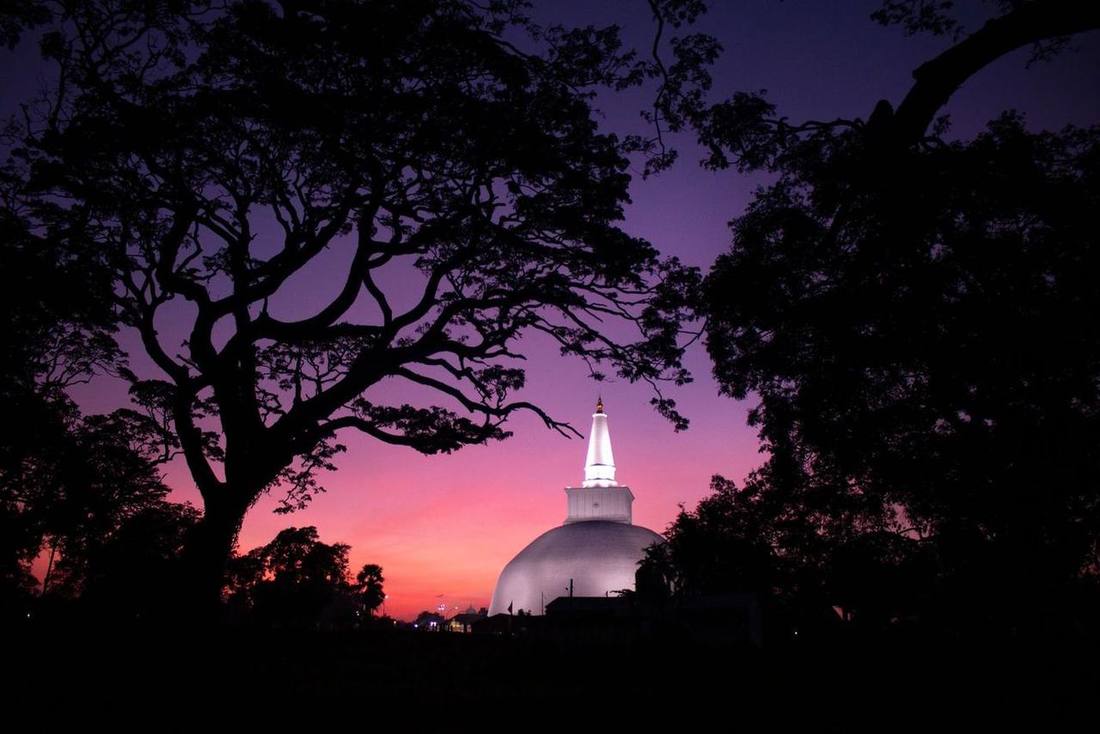
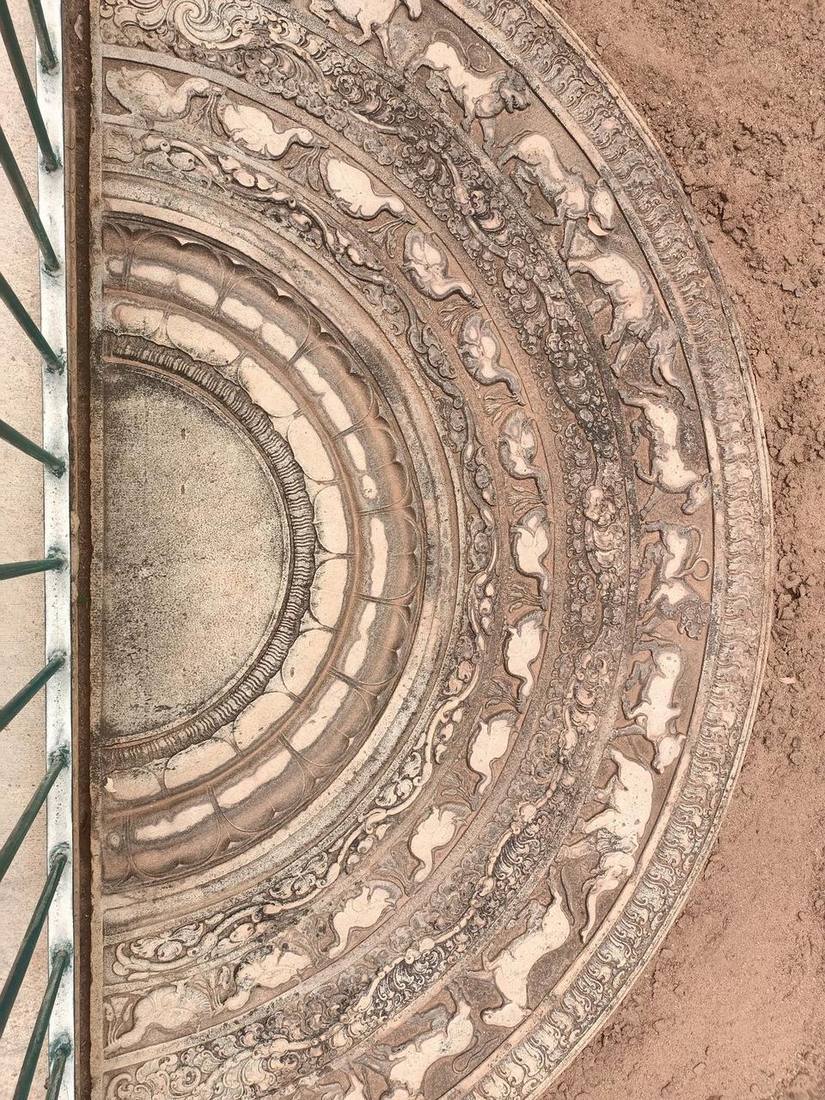
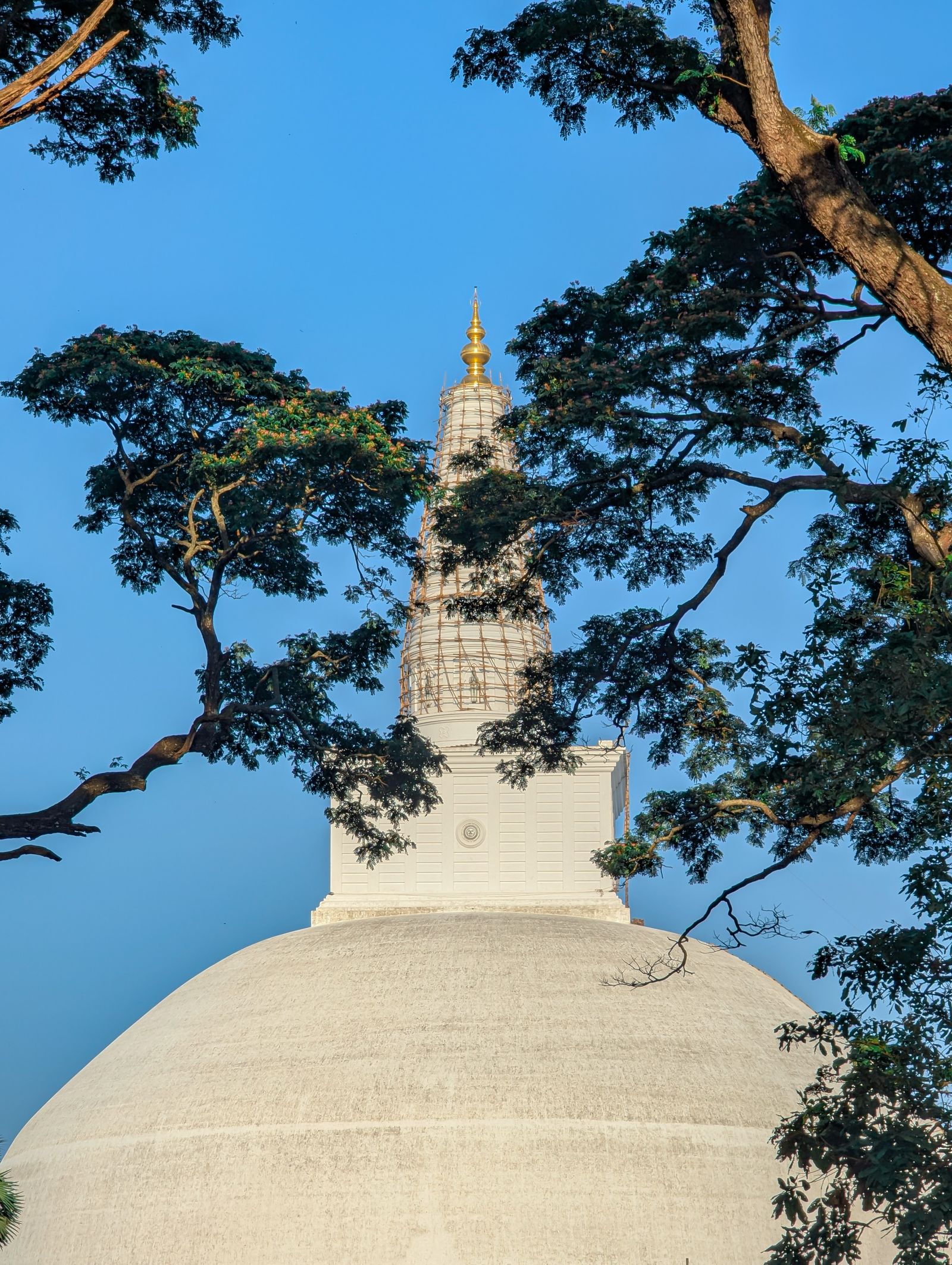
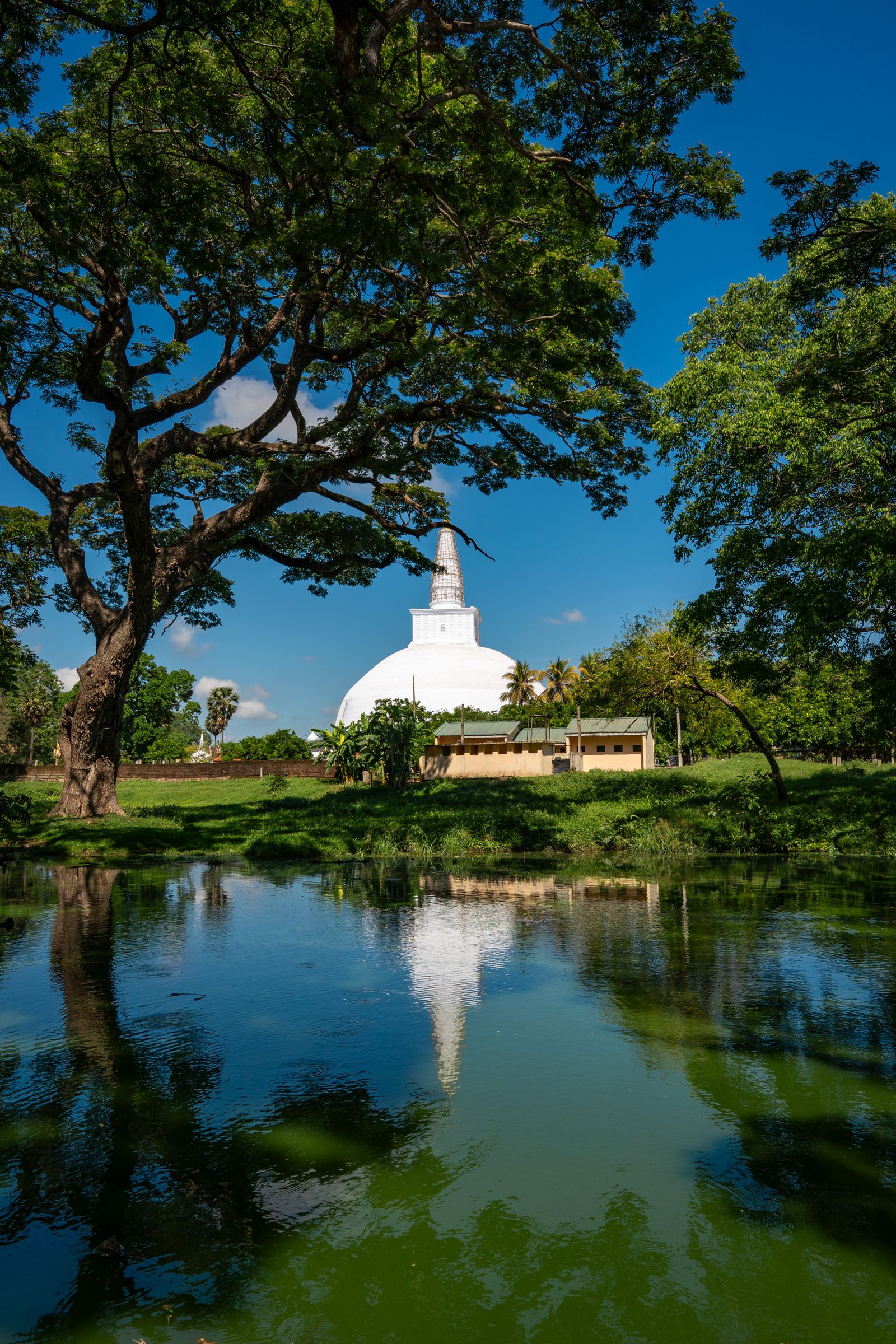
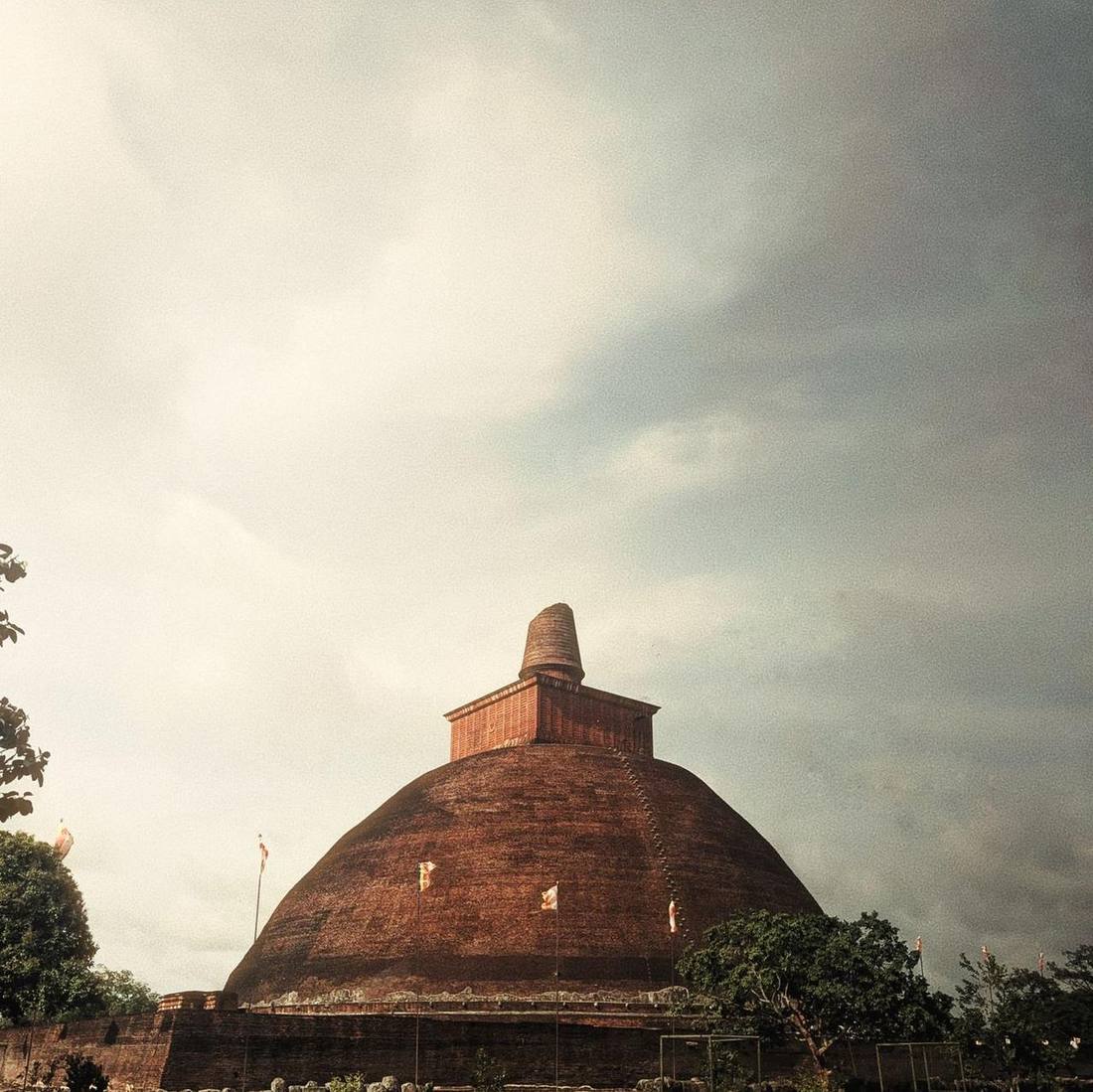
Around it rise the great dagobas, the bell-shaped Buddhist monuments that define the skyline. The dazzling white Ruwanwelisaya, ringed by a wall of hundreds of carved elephants, is the most revered. The Jetavanaramaya, built of millions of bricks, was one of the tallest structures in the ancient world. The Abhayagiri monastery complex, deep in the forest, hides beautiful carved moonstones, guardian stones and bathing ponds such as the elegant Twin Ponds.
The best way to experience Anuradhapura is slowly. Explore by bicycle or with your chauffeur guide in the morning, rest at midday, then return to the Sri Maha Bodhi and Ruwanwelisaya at dusk. As the light fades, the stupas glow white, drums begin to beat, and pilgrims gather with lamps and flowers. It is one of the most moving experiences in Sri Lanka.