Why Nuwara Eliya & Tea Country will steal your heart
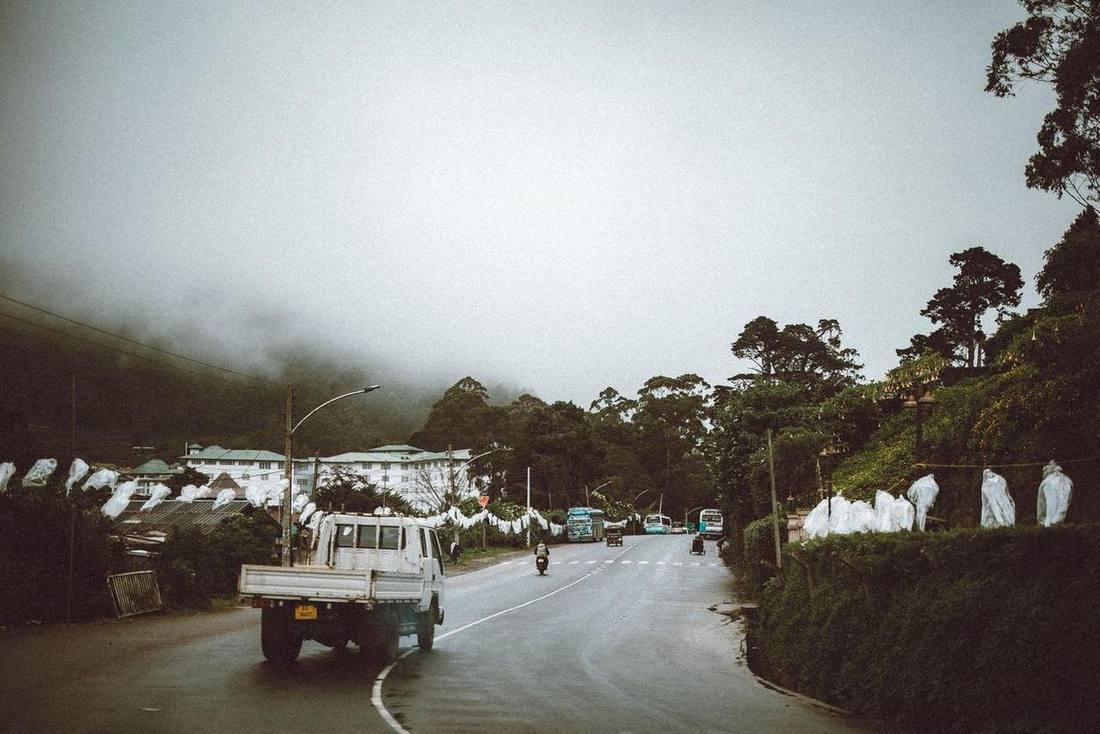
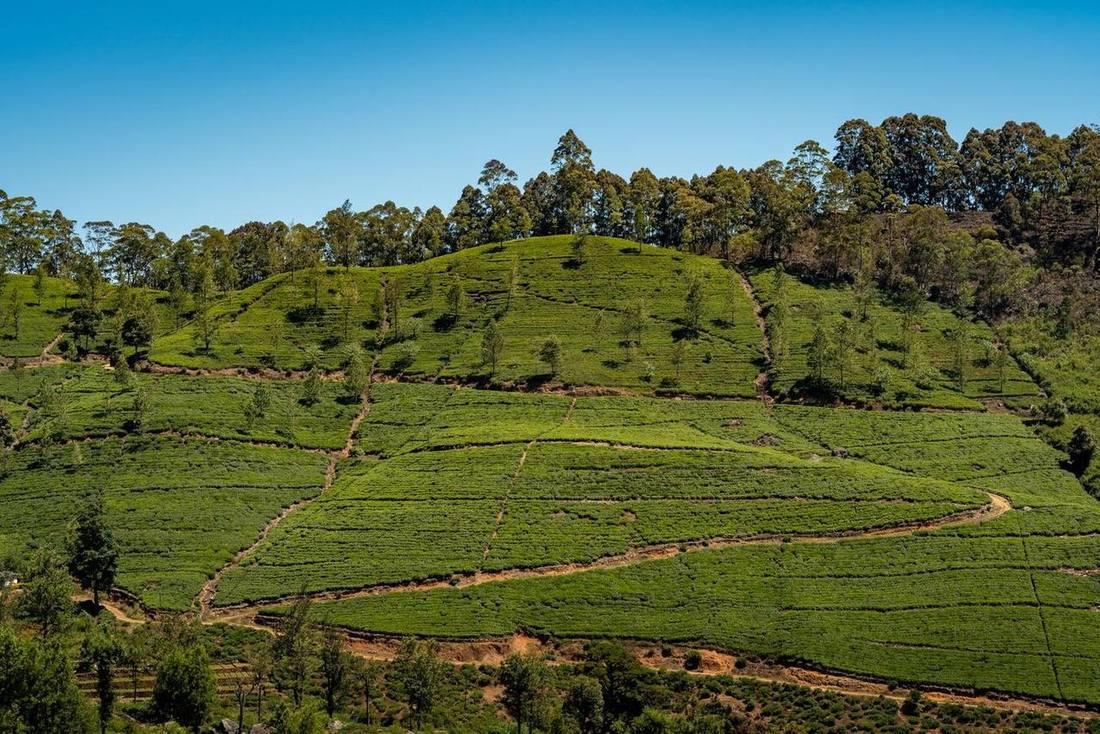
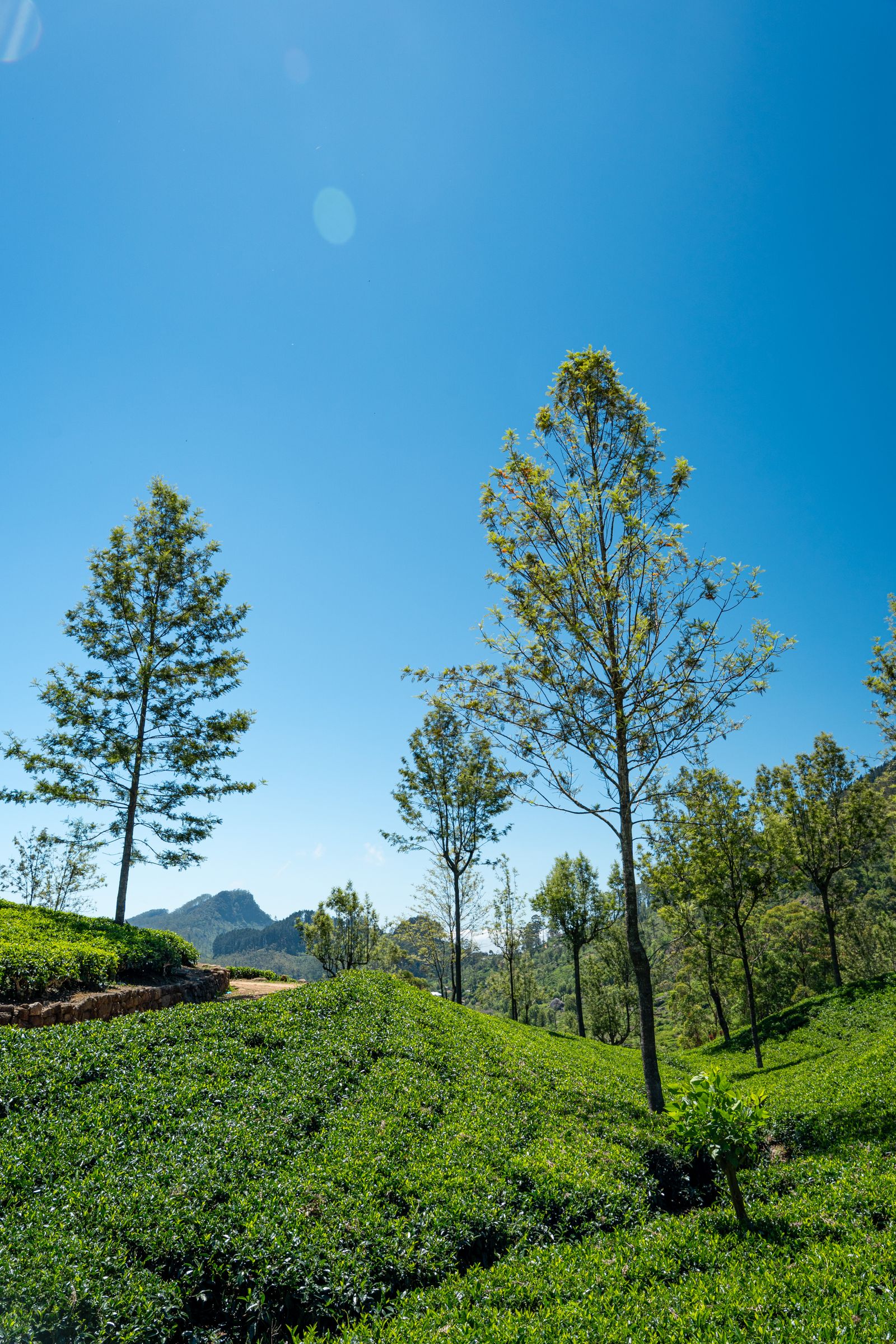
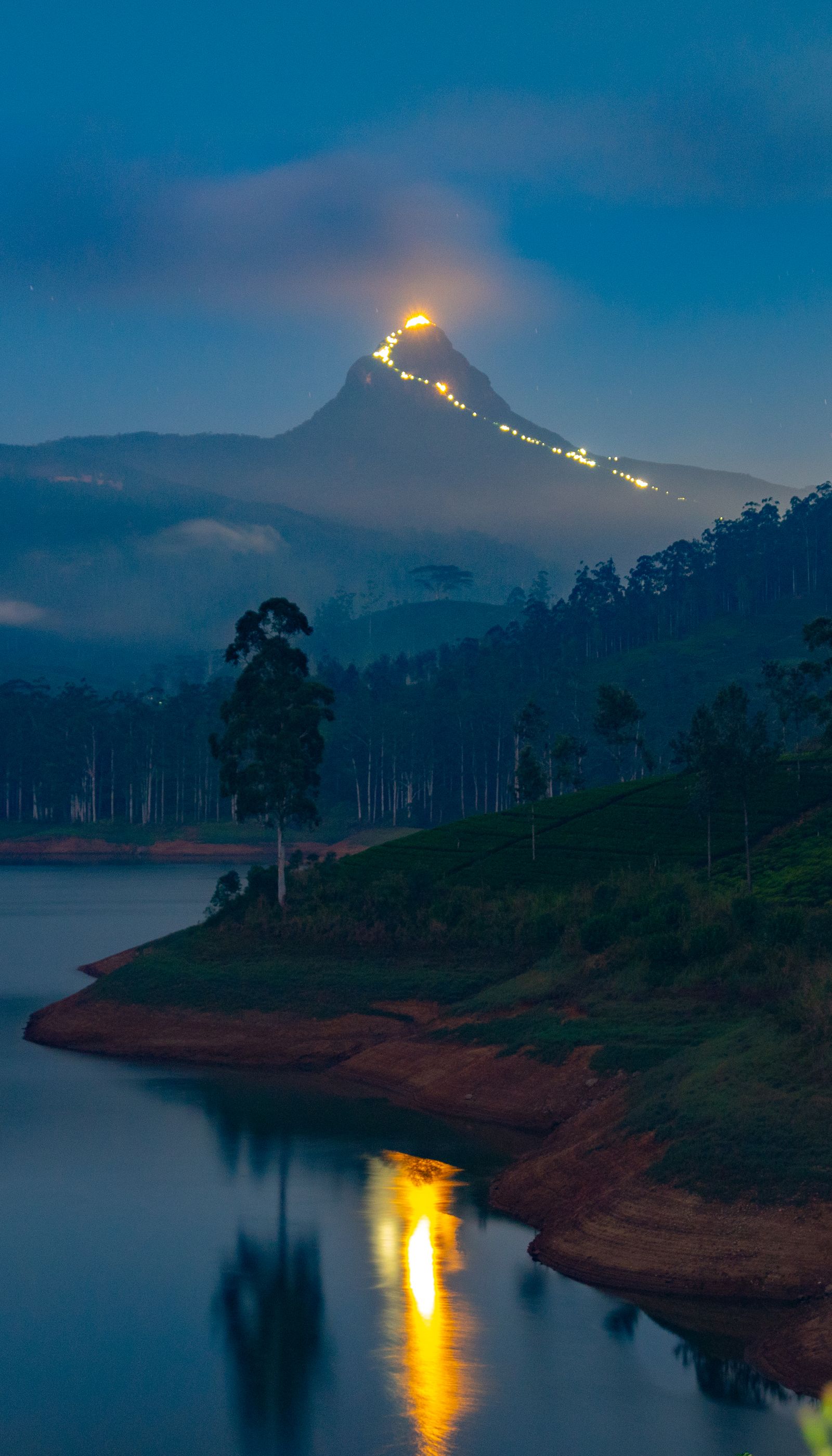
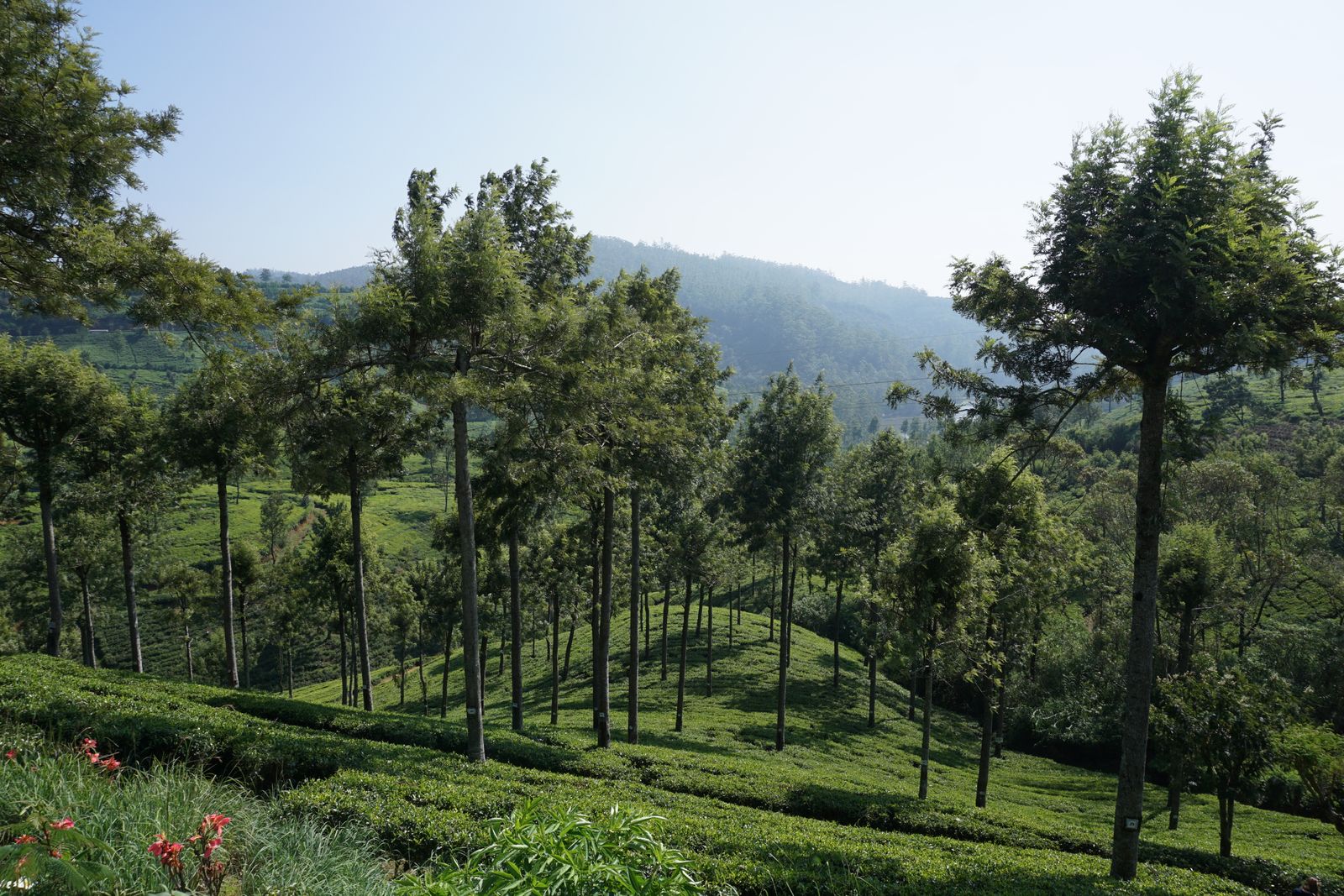
As your car climbs higher into the hills, the air turns cool and fresh, the forests give way to endless rolling carpets of emerald tea, and waterfalls tumble beside the road. Then, at around 1,900 metres, you arrive in a town that feels like a corner of Victorian England dropped into the tropics. Welcome to Nuwara Eliya.
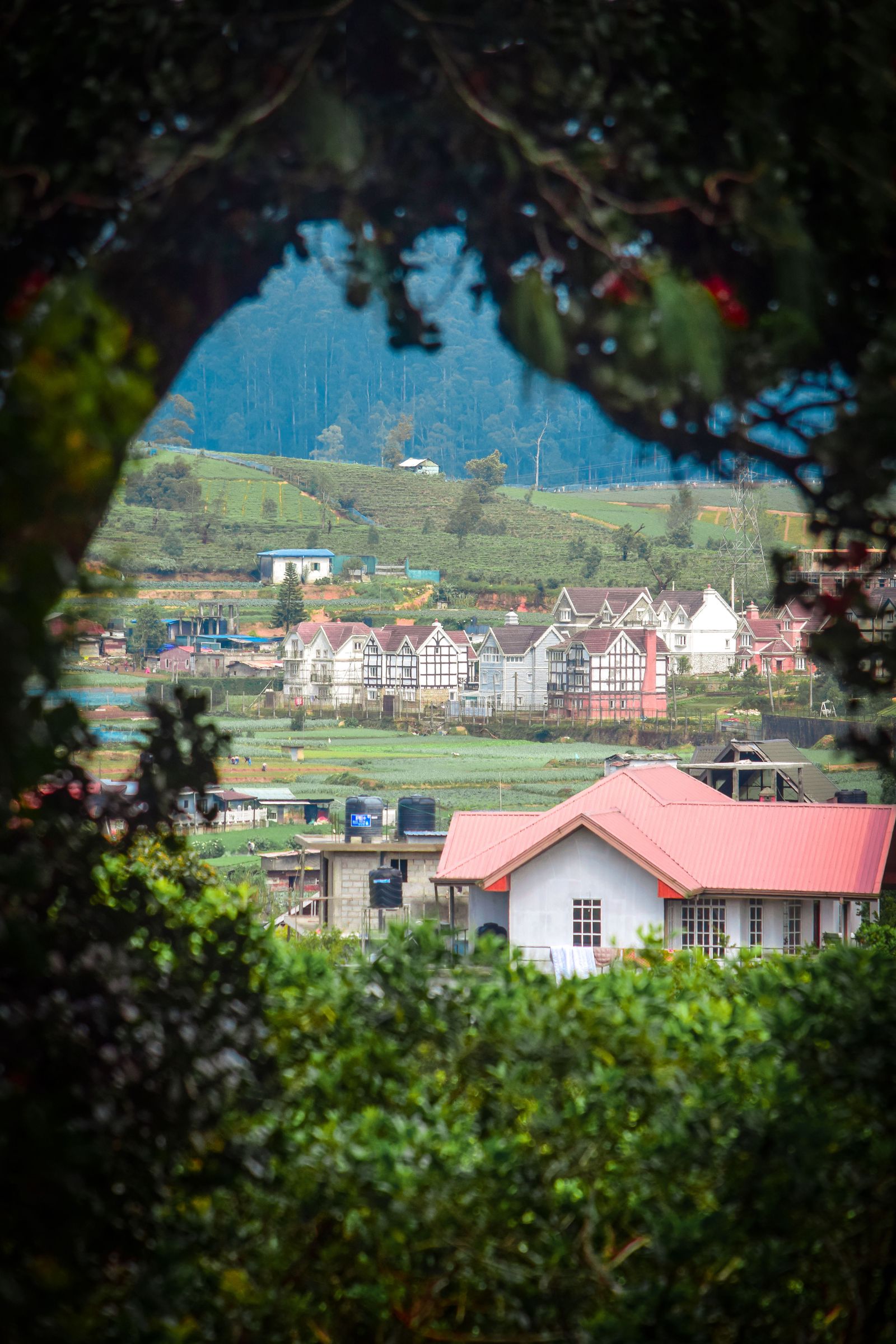
In the 19th century, British planters and officials came here to escape the heat of the lowlands. They built a racecourse, a golf course, a red-brick post office, mock-Tudor houses and grand hotels, and planted rose gardens and pine trees. Much of it survives, and Nuwara Eliya still wears its nickname, 'Little England', with pride. On a misty morning, with smoke rising from chimneys and roses blooming in the gardens, you could almost be in the Cotswolds.
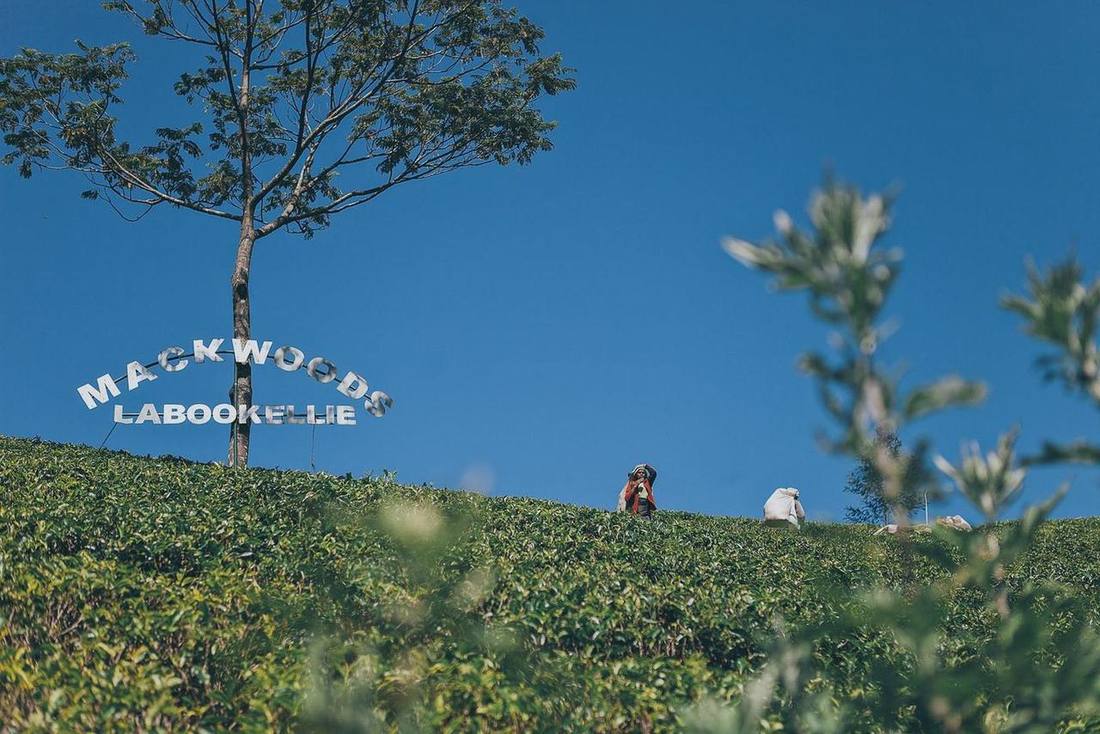
But the real star is tea. This is the heart of Ceylon tea country, and the high-grown teas from these hills are among the finest in the world. Visit a working tea factory to follow the journey of a leaf: withering, rolling, fermenting, drying and sorting, all filling the air with a rich, malty aroma. Then sit down to a freshly brewed cup overlooking the plantations, and watch tea pickers moving along the steep slopes, plucking the tender top leaves by hand.
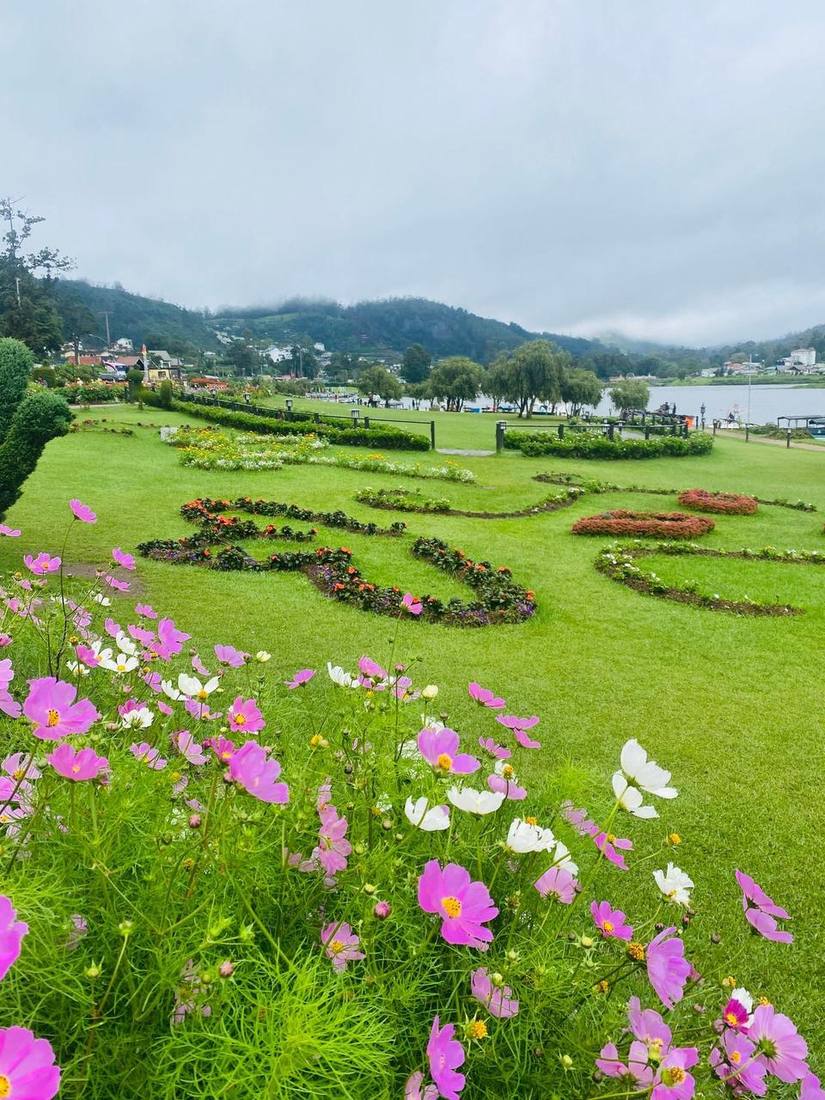
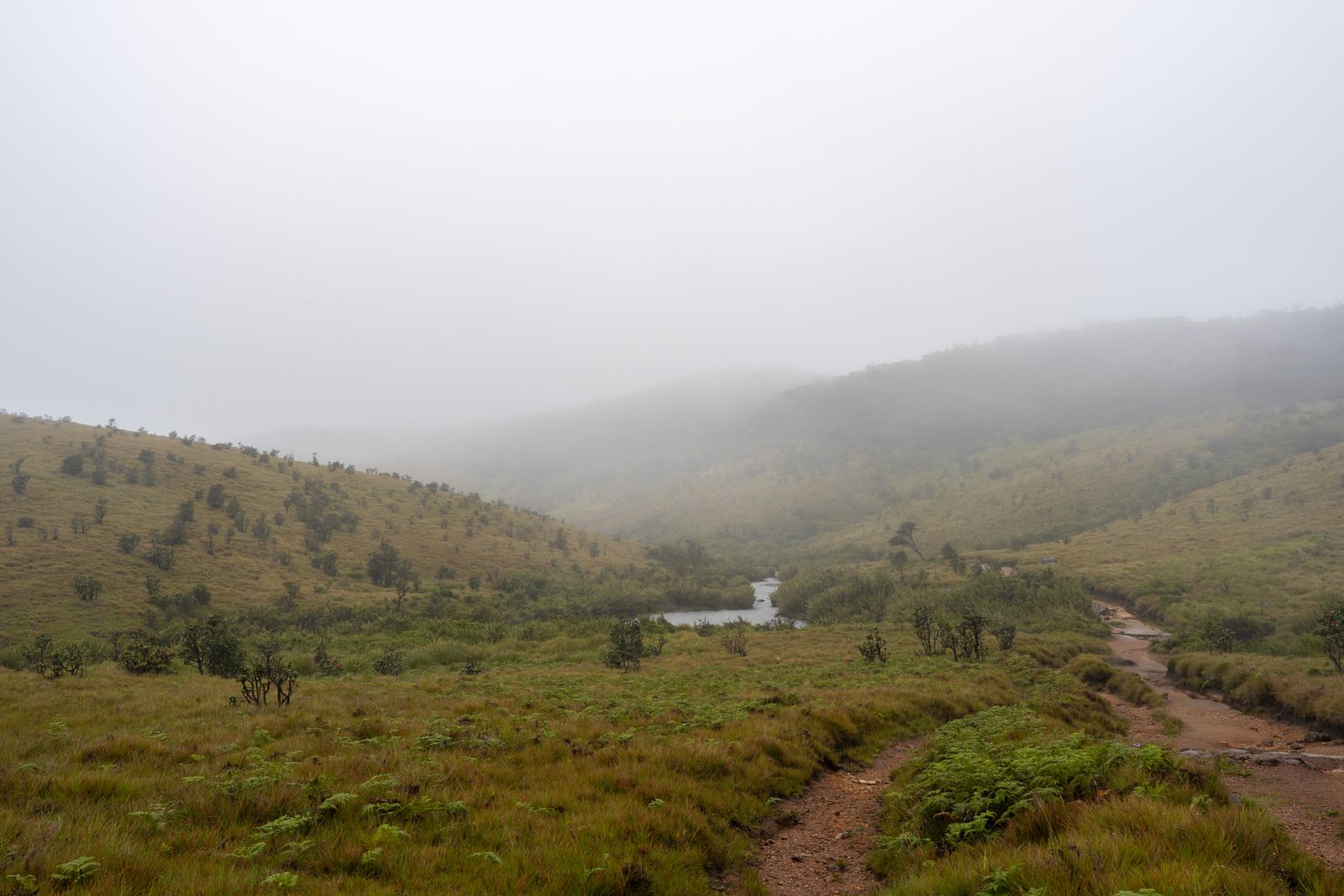
There's plenty more to enjoy. Take a boat ride on Gregory Lake, stroll through Victoria Park, admire the flower gardens, and visit the stunning Ramboda and St Clair's waterfalls nearby. Nuwara Eliya is also the base for an early-morning trip to Horton Plains National Park and the famous World's End viewpoint.
Stay the night in a colonial-era hotel or a restored tea planter's bungalow, where evenings mean log fires, hot water bottles and high tea. It's a completely different side of Sri Lanka, and one that surprises almost everyone.